
When designing a dining room, most people focus on furniture, wall colors, or lighting fixtures—yet one of the most powerful design surfaces often goes unnoticed is the dinning room ceiling design. Dining room ceiling design ideas can dramatically transform how a space feels, looks, and functions. From creating visual height to setting the tone for memorable gatherings, the ceiling plays a crucial role in shaping the dining experience.
In this guide, we’ll explore how thoughtful ceiling design ideas that enhances aesthetics, improves spatial perception, and elevates the overall atmosphere of your dining room. Whether you’re planning a renovation or simply seeking inspiration, these ideas will help you see your ceiling as a design opportunity rather than an afterthought.
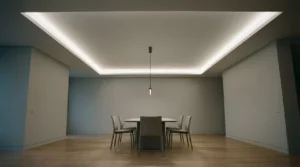
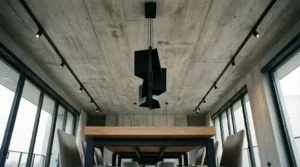
Ceiling height directly impacts how a dining room feels. High ceilings create openness and support bold elements like chandeliers and layered designs. Low ceilings need simple solutions such as light colors, recessed lighting, and minimal detailing to avoid a cramped look.
Proportion is key. The ceiling design and lighting should align with the dining table for visual balance. Oversized fixtures in low rooms or overly plain ceilings in tall spaces can break harmony.
In open-plan homes, ceilings help define the dining area without walls. Effective zoning techniques include tray or layered ceilings above the dining table, pendant lighting that anchors the space, and subtle ceiling transitions between dining and living areas. These approaches clearly define zones while keeping the layout open and cohesive.
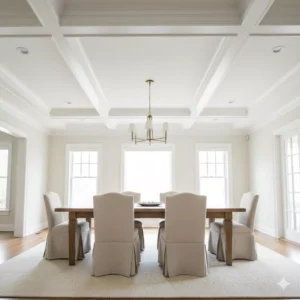
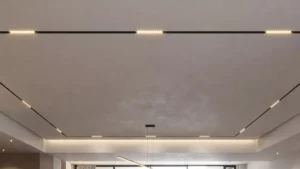
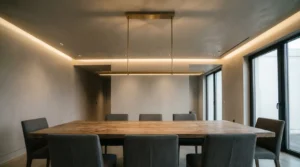
Modern and minimalist ceilings focus on clean lines and simplicity, using false ceilings, hidden lighting, neutral colors, and subtle pendant lights for a clutter-free look ideal for contemporary homes.
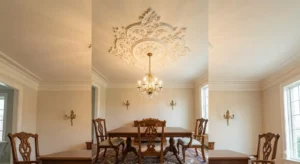
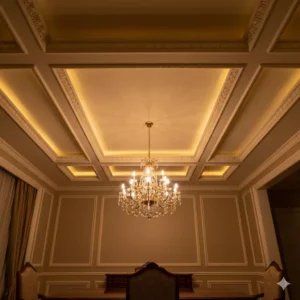
Classic and traditional ceilings emphasize detail and symmetry, featuring coffered designs, crown molding, ceiling medallions, and chandeliers with warm lighting, best suited for formal dining spaces.
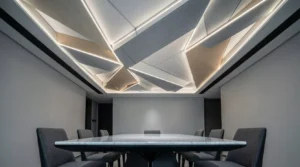
Luxury and statement ceilings aim for visual impact through layered or floating designs, LED accents, bold colors, sculptural lighting, and premium materials like wood or metal, often becoming the room’s main focal point.
False ceilings are a popular dining room choice because they offer flexibility in design, lighting, and functionality. They make it easy to conceal wiring, improve acoustics, and create visually appealing ceiling forms. Gypsum ceilings suit modern, clean-lined interiors, while POP (Plaster of Paris) ceilings allow for decorative molding and classic detailing. Key benefits include better lighting control, improved sound quality, and wide design freedom.
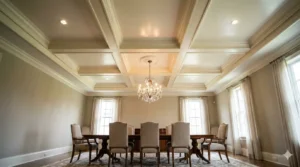
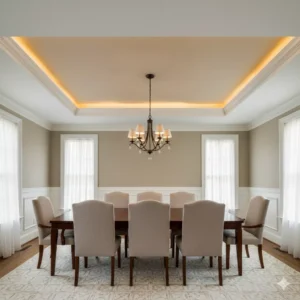
Tray, coffered, and vaulted ceilings each serve distinct purposes. Tray ceilings add depth and work well with indirect lighting. Coffered ceilings bring structure and elegance through grid patterns, ideal for formal spaces. Vaulted ceilings follow the roofline, creating a sense of openness and grandeur.
Wooden, beam, and textured ceilings add warmth and character. Exposed or decorative beams suit rustic and transitional styles, while subtle textures and patterns add interest without overwhelming the room.
Popular Types of Dining Room Ceilings Design in Bangladesh
Dining room ceiling types refer to the structural forms and design profiles that shape how a ceiling looks, feels, and functions. Each type influences lighting, height perception, acoustics, and style, helping choose a ceiling that complements space, budget, and lifestyle. From simple flat ceilings to architecturally expressive coffered and vaulted options, dining room ceilings vary in height, depth, and detailing. The right structure enhances proportions, supports lighting plans, and sets the overall mood—whether modern, classic, or luxurious.
Flat Dining Room Ceilings Design Ideas
Flat dining room ceilings are simple, level surfaces that run parallel to the floor without drops or raised sections. They offer clean lines, consistent height, easy construction, and versatile styling, making them the common ceiling choice for dining spaces today. Flat dining room ceilings work best in low to medium-height rooms, apartments, and modern homes. They easily support recessed lights, pendants, or chandeliers and adapt to minimalist, contemporary, or transitional dining room designs.
Tray Ceilings for Dining Rooms
Tray dining room ceilings feature a recessed central section that sits higher than the surrounding perimeter, creating a stepped profile. In dining rooms, they add dimension without lowering overall height, allowing layered lighting, subtle contrast, and a refined architectural feel indoors elegantly. Tray ceilings visually expand the dining area and are ideal for medium to large rooms. They highlight chandeliers, allow indirect LED lighting, and introduce elegance without the complexity of heavy structural detailing.
Coffered dining room Ceilings Design Ideas
Coffered dining room ceilings consist of a grid of sunken panels framed by beams, forming a pattern of squares or rectangles. Traditionally associated with classic architecture, they bring depth, rhythm, and craftsmanship to dining rooms while emphasizing symmetry and proportion visually elegantly. Best suited for spacious dining rooms with higher ceilings, coffered designs convey sophistication and permanence. They pair well with formal dining furniture, statement lighting, and rich materials like wood, plaster, or decorative moldings.
Vaulted and High dining room Ceilings Design Ideas
Vaulted and high dining room ceilings rise above standard heights, often sloping or extending vertically to create a sense of volume. In dining rooms, they maximize light, improve airflow, and establish dramatic scale, making spaces feel open, airy, and impressive overall ambiance. These ceilings are ideal for large homes, villas, or open-plan layouts. They enhance natural light, support oversized chandeliers, and create a striking focal point that elevates the dining experience.
Ceiling Design Ideas & Techniques That Enhance Dining Rooms
Ceiling design techniques are creative and structural approaches used to elevate a dining room ceiling design through detailing, materials, and finishes. These techniques improve visual balance, enhance lighting effects, and strengthen the connection between ceiling, walls, and dining furniture. When applied thoughtfully, they transform ceilings into intentional design features rather than passive surfaces.
Moldings and Ceiling Trims
Moldings and ceiling trims are decorative profiles installed along ceiling edges or surfaces to add definition and refinement. They create smooth transitions between walls and ceilings while introducing classic detail, depth, and craftsmanship to dining room interiors. Crown moldings frame the dining room elegantly, enhance ceiling height perception, and suit classic, transitional, or formal dining spaces.
Exposed Beams and Structural Elements
Exposed beams and structural elements showcase visible wood or architectural supports across the ceiling. They emphasize construction authenticity, add rhythm overhead, and bring warmth and texture to dining rooms through strong horizontal visual lines. Exposed beams create character-rich ceilings that pair beautifully with wooden tables, neutral palettes, and heritage-inspired dining interiors.
Ceiling Panels and Textured Finishes
Ceiling panels and textured finishes involve applying layered or patterned materials to enhance surface interest overhead. These treatments introduce depth, tactility, and visual contrast while helping define the dining zone within open or multifunctional spaces. Wood panels add warmth, gypsum panels offer clean elegance, and decorative paneling creates feature ceilings with strong visual identity.
Painted and Wallpapered Ceilings
Painted and wallpapered ceilings use color, pattern, or texture to turn the ceiling into a focal surface. This approach shifts attention upward, adds personality, and breaks away from traditional white ceiling conventions in dining spaces. Bold hues, soft pastels, or patterned wallpapers can define mood, complement décor, and create memorable dining room experiences.
Choosing Materials for Dining Room Ceilings
Selecting the right ceiling material defines the dining room’s mood, durability, and maintenance needs. Materials influence warmth, acoustics, and how light behaves, making them a foundational design decision rather than a purely decorative one.
Wood Ceiling Materials
Warmth, texture, and natural aesthetics:
Wood ceilings introduce organic warmth and tactile richness. From solid timber and veneer panels to engineered wood, they suit dining rooms that aim for comfort, character, and a strong connection to natural materials.
Gypsum and Plaster Ceilings
Versatility and modern design options:
Gypsum and plaster allow smooth finishes, curves, trays, and concealed lighting. They’re ideal for modern dining rooms where flexibility, clean detailing, and integrated lighting are priorities.
Metal and Contemporary Ceiling Materials
Industrial and modern dining spaces:
Metal ceilings—such as aluminum or steel—create sleek, edgy looks. They work well in loft-style or contemporary dining rooms, adding reflectivity and a bold architectural statement.
Color, Texture, and Visual Effects on Dining Room Ceilings
Ceiling color and texture strongly affect how a dining room feels. They influence perceived height, intimacy, and focus, shaping both atmosphere and visual balance.
Light vs. Dark Ceiling Colors
Making dining rooms feel larger or more intimate:
Light-colored ceilings enhance openness and brightness, while darker ceilings create intimacy, depth, and a more dramatic dining atmosphere.
Textures, Patterns, and Finishes
Creating focal points above the dining table:
Textured finishes, subtle patterns, or layered detailing draw attention upward, helping define the dining area and add visual interest without overcrowding the space.
Integrating Lighting with Ceiling Design
Lighting and ceiling design must work together. A well-designed ceiling enhances light distribution, mood, and spatial definition.
Chandeliers and Statement Lighting
Defining the dining area:
Chandeliers and statement fixtures anchor the dining table visually, creating a focal point and reinforcing the room’s hierarchy and style.
Recessed Lighting Solutions
Clean and modern illumination:
Recessed lighting provides even, glare-free illumination and complements minimalist or contemporary dining room ceilings.
Cove and LED Ceiling Lighting
Enhancing ambiance and architectural features:
Cove lighting and LED strips add softness, highlight ceiling forms, and create layered lighting effects for both everyday dining and special occasions.
Matching Ceiling Design with Dining Room Style
Ceiling design should reinforce the overall interior style, ensuring visual harmony from floor to ceiling.
Modern and Minimalist Dining Rooms
Clean lines and subtle ceiling treatments:
Flat or tray ceilings with concealed lighting maintain simplicity and visual clarity.
Classic and Traditional Dining Rooms
Decorative ceilings and elegant finishes:
Coffered ceilings, moldings, and refined plaster details support timeless, formal aesthetics.
Rustic and Farmhouse Dining Spaces
Beams, wood textures, and warmth:
Exposed beams and natural finishes add authenticity, comfort, and handcrafted appeal.
Luxury and High-End Dining Room Designs
Dramatic ceilings and layered lighting:
Bold ceiling forms, rich materials, and layered lighting create a sense of exclusivity and refinement.
Designing for Ceiling Height, Space, and Proportion
Ceiling design must respond to room dimensions to feel balanced and comfortable.
Ceiling Design for Low Dining Room Ceilings
Visual tricks to increase height:
Light colors, vertical detailing, and recessed lighting help ceilings appear taller and more open.
Ceiling Design for High Dining Room Ceilings
Architectural and lighting strategies:
Beams, coffers, or large-scale fixtures prevent tall spaces from feeling empty or impersonal.
Ceiling Design for Small Dining Rooms
Maximizing space perception:
Simple ceiling designs, reflective finishes, and integrated lighting keep small dining rooms airy and uncluttered.
Budget-Friendly Dining Room Ceiling Design Ideas
Great ceiling design doesn’t require a large budget—smart choices can deliver strong visual impact.
Cost-Effective Materials and Finishes
Paint, wallpaper, and faux elements:
Painted ceilings, peel-and-stick wallpaper, and faux beams offer affordable ways to upgrade dining spaces.
Balancing Budget and Design Goals
Smart planning and long-term value:
Prioritize high-impact elements like lighting and color while choosing durable, low-maintenance materials.
How Ceiling Design Impacts the Dining Experience
Emotional, functional, and aesthetic outcomes:
Ceiling design influences comfort, acoustics, and mood, shaping how people feel and interact during meals.
Creating comfort, elegance, and usability:
A well-designed ceiling supports lighting, proportion, and atmosphere—essential for enjoyable dining spaces.
Conclusion: Transforming Your Dining Room from the Ceiling Down
Key takeaways:
Material choice, color, texture, lighting, and proportion all play vital roles in dining room ceiling design. By treating the ceiling as a design feature rather than an afterthought, you can elevate your dining room’s style, comfort, and overall experience—from the ceiling down.